Articles About Solstice (18)
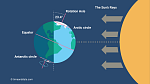
June Solstice 2026
The June solstice is the longest day of the year in the Northern Hemisphere and the shortest day in the Southern Hemisphere.
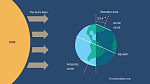
December Solstice
December solstice marks the shortest day north of the equator and the longest day in the south.

December Solstice Customs
Learn more about the customs, traditions and events surrounding the December solstice.
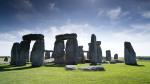
June Solstice Traditions
In many Northern Hemisphere cultures, the June solstice is associated with holidays, feasts and celebrations.

When Does Summer Start?
Find out the exact moment of the summer solstice in both the Northern and Southern Hemispheres—down to the minute.
10 Facts about the December Solstice
Here are 10 things about the December solstice you might not know.
When Does Winter Start?
The first day of winter in the Northern Hemisphere is in December; south of the equator, it is in June. Find out exactly when the winter season starts.
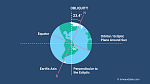
Earth Is Tilted
When an object the size of Mars crashed into the newly formed planet Earth around 4.5 billion years ago, it knocked it over and left it tilted at an angle.

Astronomical Glossary - Terms & Definitions
What do astronomers really mean when they use those technical terms?

10 Facts about the June Solstice
10 things you may not know about the June solstice.
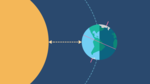
Earth's Perihelion
Earth's closest approach to the Sun is two weeks after the December solstice is a coincidence and has no special significance.

What Causes Seasons on Earth?
Seasons change because Earth's rotational axis tilts away or towards the Sun during the course of a year.
Astro Events 2026
When, where, and how to see things happening in the sky and space.

December: Cold Moon
The December Full Moon is called the Cold Moon, Long Nights Moon, the Moon before Yule, Oak Moon, and Wolf Moon.
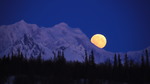
January: Wolf Moon
January’s Full Moon is named after howling wolves. In some cultures, it's known as the Quiet Moon, Severe Moon, and the Moon after Yule.
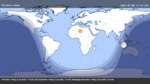
99% of Earthlings See Sunlight on July 8 (And on Other Dates, Too)
Our Sun data confirm an internet meme claiming 99% of the world’s population gets sunlight at 11:15 UTC on July 8. But does it happen on other dates, too?
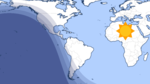
99% Of Us See Daylight at This Moment (Or Do We?)
Is it really true that 99% of the world's population see daylight at 11:15 UTC on July 8?
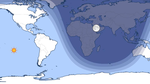
Dec 6: Minute of Global Darkness
There's a moment each year when almost 9 in 10 people worldwide experience night.