

Clock changes can be stressful and throw off sleep and routines. Also, they often seem to arrive sooner than expected. Here’s all the information you need to be prepared when the clocks change.

Upcoming DST Switches in 2026
Back or Forth?
Millions adjust their clocks for Daylight Saving Time—but it’s easy to forget which way they should move.
DST start and end dates differ by country, although they generally follow a similar pattern: Clocks are usually advanced by one hour during the DST period, which begins in spring and ends in fall. However, since the seasons are opposite in the Northern and Southern Hemispheres, the DST schedules are also reversed.
To make it simple, just remember this simple phrase: spring forward, fall back. In other words, you set the clock ahead in spring when DST begins, and back in fall when it ends.
For many people, phones and computers update automatically—so it’s often only wall clocks, watches, and car clocks that need changing.
See all upcoming DST switches worldwideThe DST Debate Continues
Daylight Saving Time remains unpopular for many people and continues to spark political debate on both sides of the Atlantic.
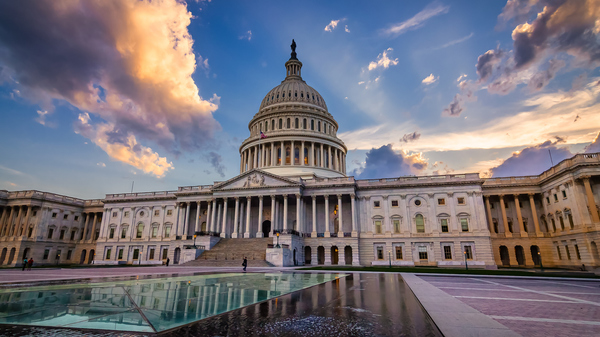
In the US, public support is low—just 33% of Americans see its purpose, according to a 2014 Rasmussen poll . In December 2024, even President-elect Donald Trump called it “inconvenient and very costly”. In recent years, state lawmakers have introduced over 750 bills and resolutions to change or end DST, according to NCSL (The National Conference of State Legislatures).

The EU has been stuck on whether to keep or scrap the clock changes since the European Commission proposed ending them in 2018, and the European Parliament backed the plan in 2019—but member states never agreed on a single permanent time. Most recently, in October 2025, Spain announced that it is restarting a push to end clock changes in the European Union this year. Spanish Prime Minister Pedro Sánchez says the current system hardly helps to save energy and has a negative impact on people’s health and lives.
“In all the surveys in which Spaniards and Europeans are asked, the majority are against changing the time,” Sánchez says.
Belgium, Spain, and Poland are three of the main recent advocates of change in the EU.

“Churchill” Time and “Locking the Clock”
Public opinion on seasonal clock changes differs widely, but several countries have recently proposed to scrap their current practice:
- In Britain, Labour MP Alex Mayer has proposed something she calls “Churchill Time”: A double British Summer Time system, which involves moving the clocks forward two hours in the summer and one hour in the winter. Supporters of ‘Churchill Time’ cite estimates attributed to academic research that an extra daily hour of light in winter could reduce energy use—saving around 447,000 tonnes of CO₂ per year—and prevent around 40 deaths by reducing accidents in dark evenings in the two weeks after the clocks go back. Additionally, the change could be beneficial for tourism and mental health.
- Italian lawmakers are considering an end to the twice-yearly clock changes after an online petition calling for permanent DST collected more than 353,000 signatures.
- In Bulgaria, political parties have called for abolishing summer time, and citizens agree. Eighty percent of respondents in the 2018 EU poll were negative about the time change.
- Argentina currently doesn’t observe DST, but lawmakers have backed a proposal to shift the country to UTC−4 during winter, with a return to UTC−3 in summer months. Supporters say it would better align the official time with daylight and reduce electricity use.
Whether DST remains or is eventually phased out, one thing is certain—many people would be happy to see their clocks locked:
DST has left Australia “with a patchwork of time zones more confusing than an IKEA instruction manual.”
Johan Locke, AI and assistive technology expert
Dealing with the Chaos of Daylight Saving TimeTips for Coping with the Clock Change
- Adjust your sleep gradually. Before DST starts, go to bed 10–15 minutes earlier each night. Before it ends, try waking up a bit earlier instead.
- If possible, get some morning light. Step outside early to reset your body clock naturally.
- Limit caffeine. Avoid it late in the day to protect your sleep.
- Keep a consistent routine. Stick to regular sleep and meal times, even on weekends.
- Plan for extra rest. Allow a few days to adapt and avoid heavy schedules.

Frequently Asked DST Questions
What is DST?
Daylight Saving Time (DST) is the practice of setting the clocks forward during part of the year to make better use of natural daylight. Changing the clocks does not create extra daylight but instead shifts the time of sunrise and sunsets.
Is Summer Time the Same as DST?
Saying “summer time” instead of Daylight Saving Time (DST) is common in many countries, especially in the United Kingdom. The term winter time is sometimes used instead of standard time, which is the official name for the period without DST.
Is DST bad for your health?
Daylight Saving Time (DST) can mess with our body clock and can trigger underlying health issues. This time change can cause disruptions to our body clock, otherwise known as the circadian rhythm.