| Night Time: | All day |
|---|---|
| Sunset: | None |
| End of Twilight*: | None |
| Start of Twilight*: | None |
| Sunrise: | None |
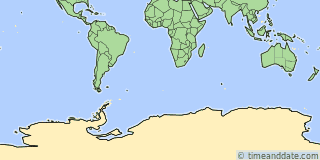
⚠ South Pole has polar day (Midnight Sun)


Three “Colorful” Moons Follow March’s Blood Moon
At the beginning of March, the Moon turned red during a total lunar eclipse. Over the next few months, you’ll hear about Pink, Blue, and Strawberry Moons.
Our Interactive Night Sky Map simulates the sky above South Pole. The Moon and planets have been enlarged slightly for clarity. On mobile devices, tap to steer the map by pointing your device at the sky. Need some help?
Tonight's Sky in South Pole, Mar 22 – Mar 23, 2026

Mercury rise and set in South Pole
View just before sunrise.
Mercury is close to the Sun and can only be seen shortly before sunrise. Try finding a good, unobstructed view of the horizon.
Time:
Altitude: °
Direction: °

Mars rise and set in South Pole
Fairly close to the Sun. Visible only after sunset.
Mars is just 16 degrees from the Sun in the sky, so it is difficult to see.
Time:
Altitude: °
Direction: °

Saturn rise and set in South Pole
Very close to Sun, hard or impossible to see.
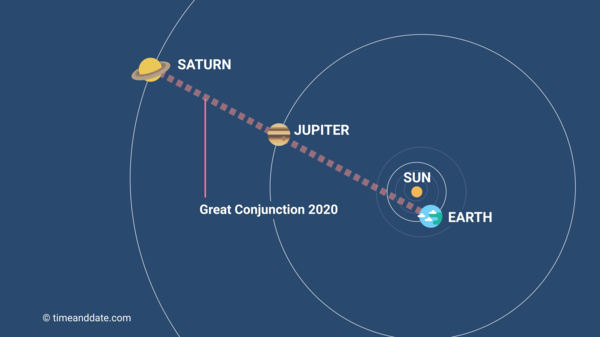
Saturn is just 4 degrees from the Sun in the sky, so it is difficult or impossible to see it.
Time:
Altitude: °
Direction: °
Planets Visible in South Pole
| Planetrise/Planetset, Sun, Mar 22, 2026 | ||||
|---|---|---|---|---|
| Planet | Rise | Set | Meridian | Comment |
| Mercury | Up, doesn’t set | Sun 11:39 pm | Slightly difficult to see | |
| Venus | Down, doesn’t rise | Sun 2:13 am | Not visible | |
| Mars | Up, doesn’t set | Sun 12:09 am | Very difficult to see | |
| Jupiter | Down, doesn’t rise | Sun 8:09 am | Not visible | |
| Saturn | Up, doesn’t set | Sun 1:22 am | Extremely difficult to see | |
| Uranus | Down, doesn’t rise | Sun 4:47 am | Not visible | |
| Neptune | Up, doesn’t set | Sun 1:12 am | Very close to Sun, not visible | |